Lawyer Taghreed Al-Daghmi Discusses Digital Violence Against Women Journalists in Jordan
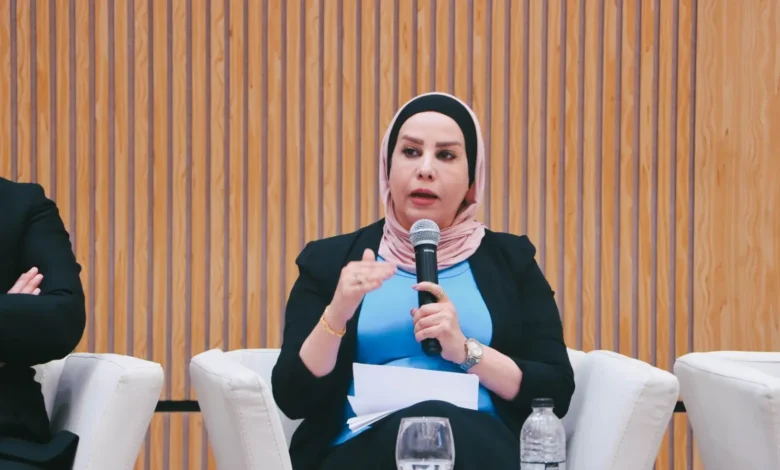
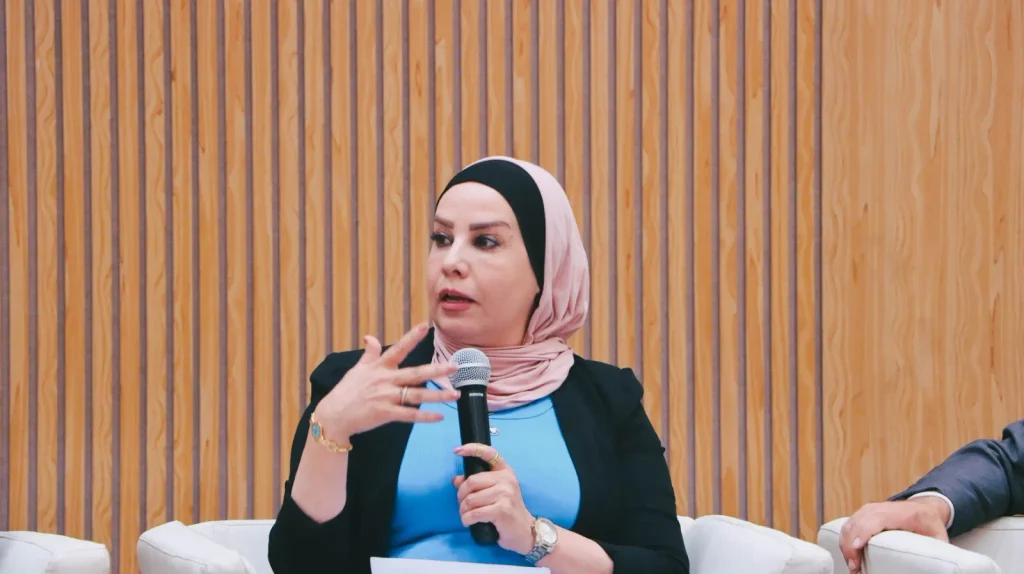
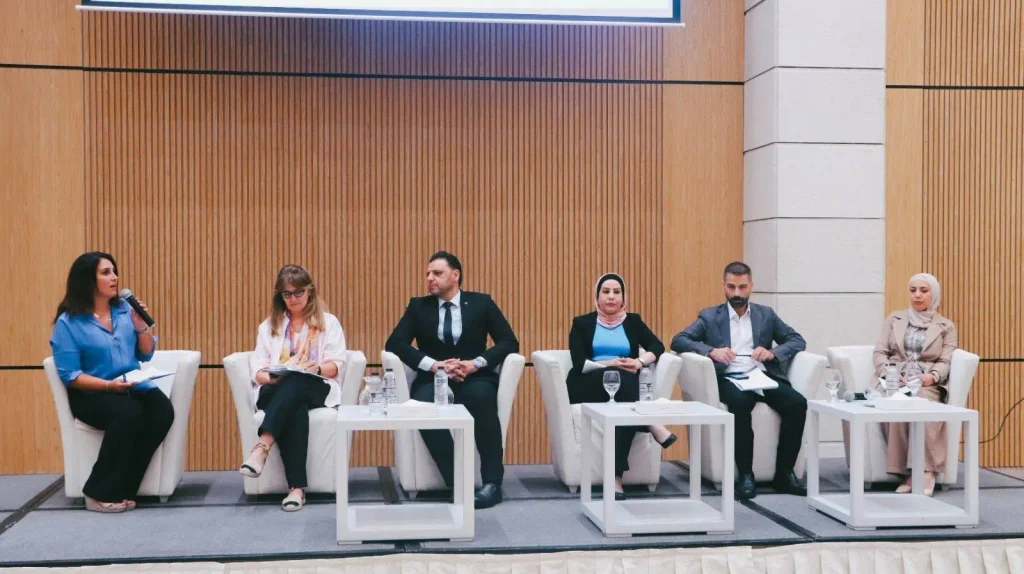
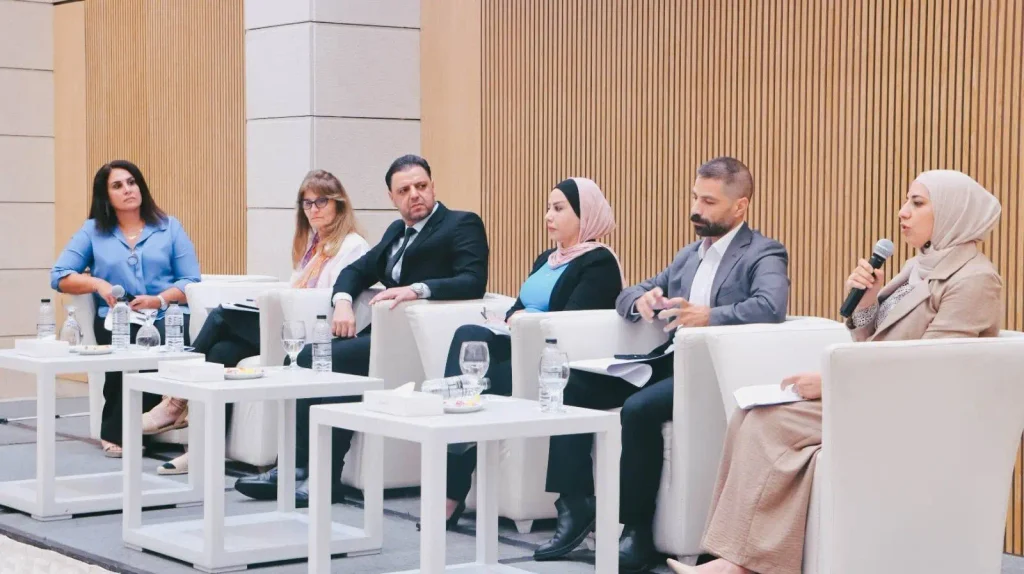
During her participation in the session entitled “Integrating National Roles to Enhance the Safety of Women Journalists in the Digital Environment,” Lawyer Taghreed Al-Daghmi discussed digital violence against women journalists in Jordan. The session was held as part of the launch event for a study entitled “From Exposure to Redress: A Framework of Available Remedies for Women Journalists Facing Digital Violence in Jordan.”
The event was organized by the Network to Combat Digital Violence against Women Journalists in Jordan, with the support of the Danish Institute for Human Rights, in cooperation with the Media Commission, and with the participation of the National Centre for Human Rights.
Taghreed Al-Daghmi: The Lack of Clarity in Legal Procedures Is One of the Key Challenges in Addressing Digital Violence
Lawyer Taghreed Al-Daghmi, a representative of the Waee Center for Human Rights Training, stated that one of the key challenges facing women journalists when they experience digital violence is the lack of clarity regarding the legal and procedural pathways following an incident. A woman journalist may recognize that she has been subjected to threats, defamation, blackmail, or online abuse, yet may not know where to turn, what procedures can be pursued, how to preserve evidence and protect her privacy, or whether filing a complaint could expose her to further harm.
Al-Daghmi stressed the need to move beyond raising awareness of the existence of digital crimes toward raising awareness of the response pathways available to those affected, while also strengthening early preventive awareness before harm occurs. This includes raising awareness of digital privacy, account security, password protection, two-factor authentication, and the safe handling of images and personal information.
Taghreed Al-Daghmi: Specialized Legal Counsel Helps Women Journalists Make Informed Decisions
Al-Daghmi explained that the role of specialized legal counsel is not limited to filing a complaint; rather, it begins with providing the woman journalist with a safe and confidential space, and explaining the legal and technical options available to her, as well as the risks and potential outcomes associated with each option, thereby enabling her to make an informed decision. She emphasized the importance of informed consent, whereby the woman journalist remains the decision-maker in her case, while the lawyer’s role is to empower her to make an informed and safe decision—whether she chooses to file a complaint, pursue a confidential course of action, or seek the assistance of a technical expert to secure her accounts and remove abusive content.
The Experience of the Network of Women Lawyers in Addressing Digital Violence against Women
Al-Daghmi presented the experience of the Network of Women Lawyers to Combat Digital Violence against Women, highlighting its efforts to build the legal and technical capacities of women lawyers through specialized training in digital security, legal skills, advocacy, and litigation. She emphasized that legal knowledge alone is no longer sufficient to effectively address such forms of abuse.
Digital Violence Targets Women Working in Public Life
She emphasized that digital violence does not discriminate based on educational background or professional status; rather, women may be targeted simply because they are women, while the abuse may be exacerbated by their professional and public presence. She noted that women journalists, lawyers, doctors, politicians, and other women working in public life are among those who may face such forms of digital violence.