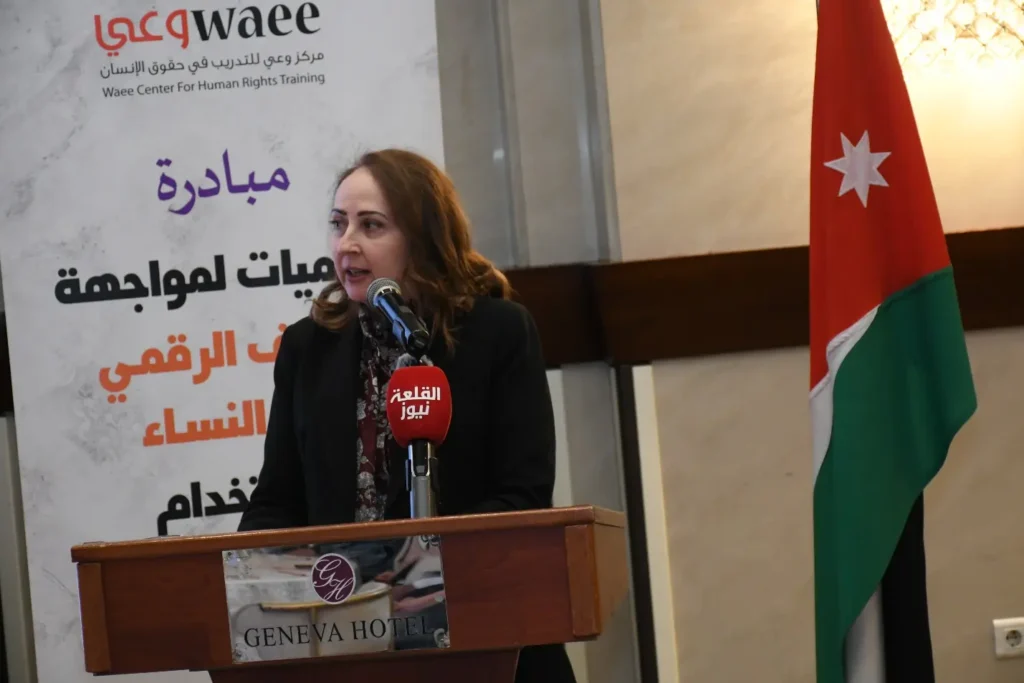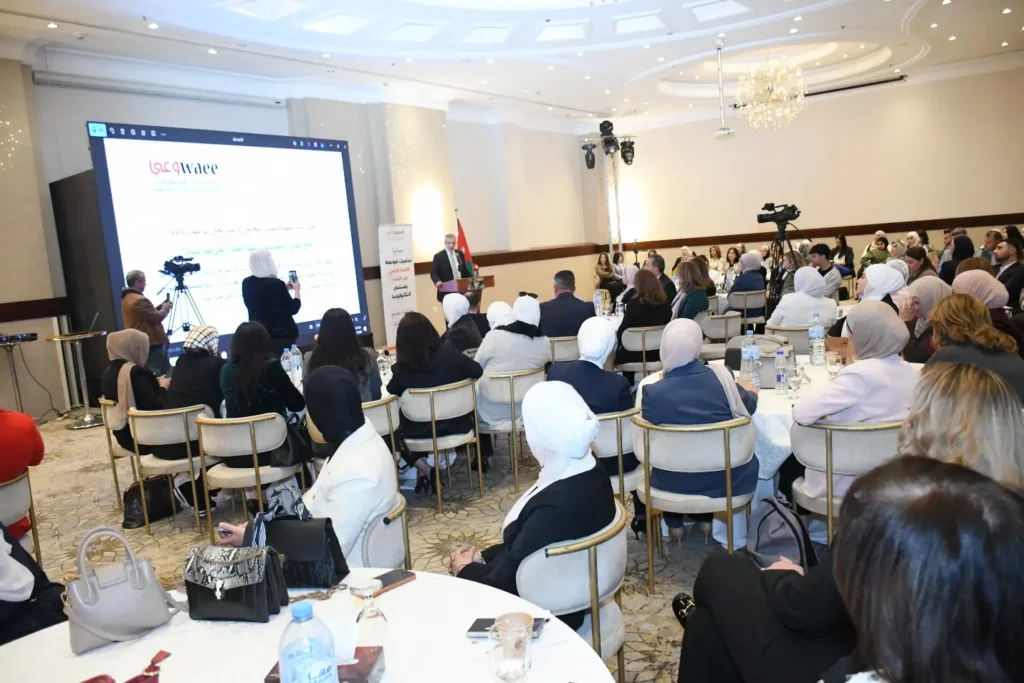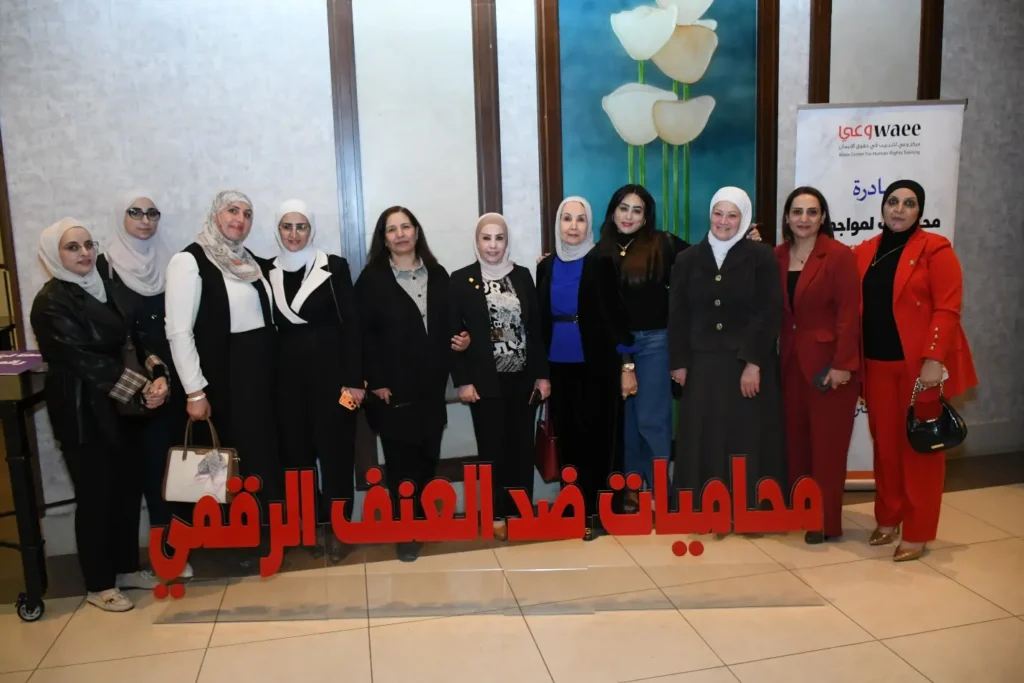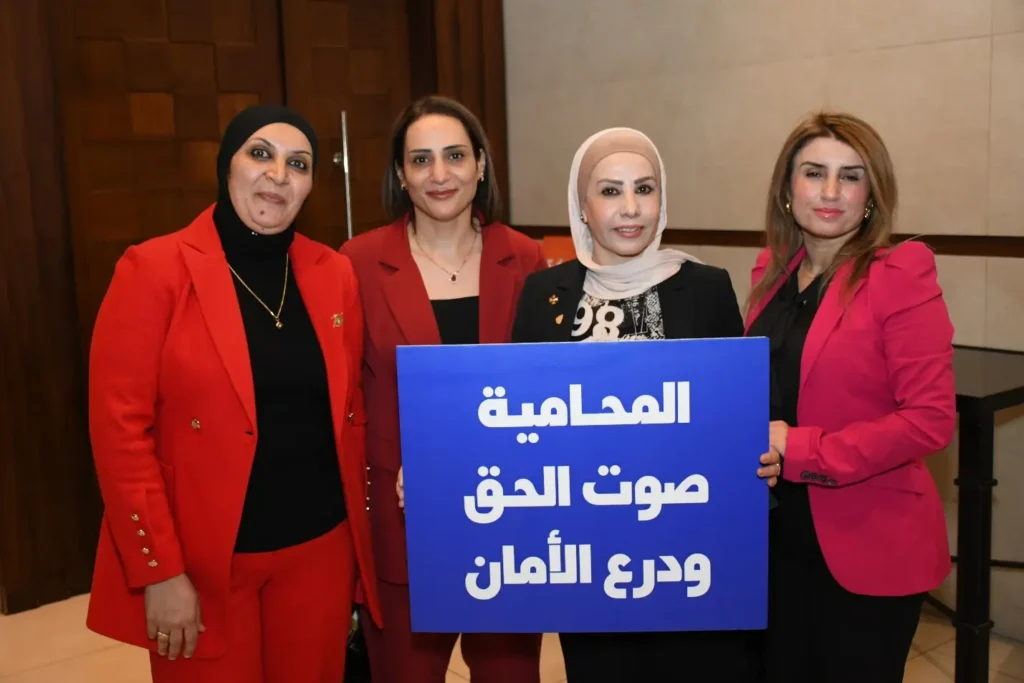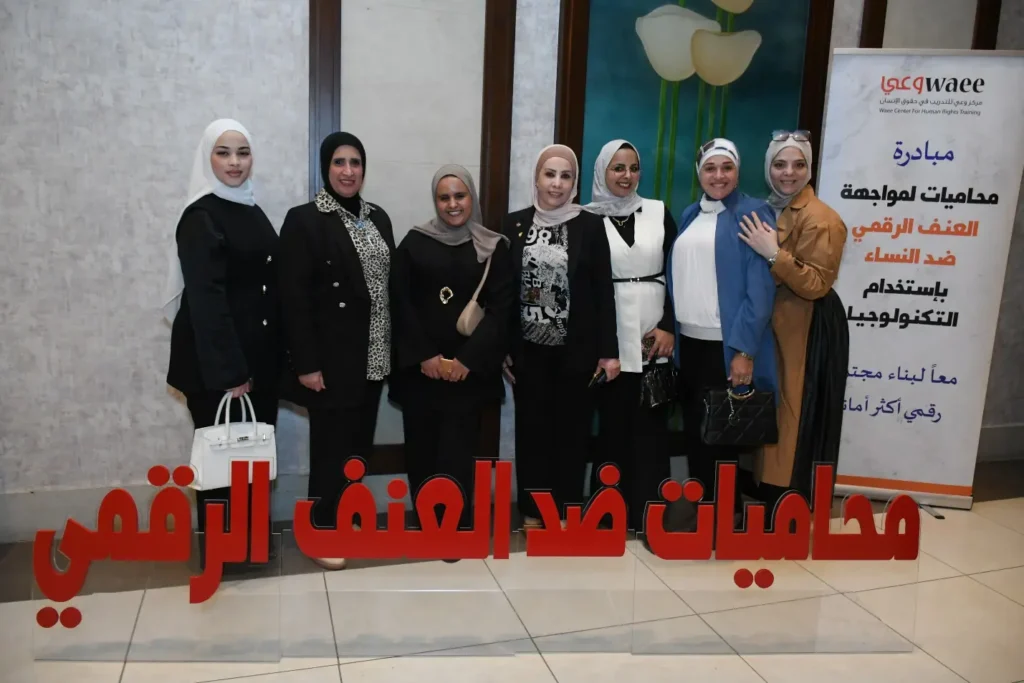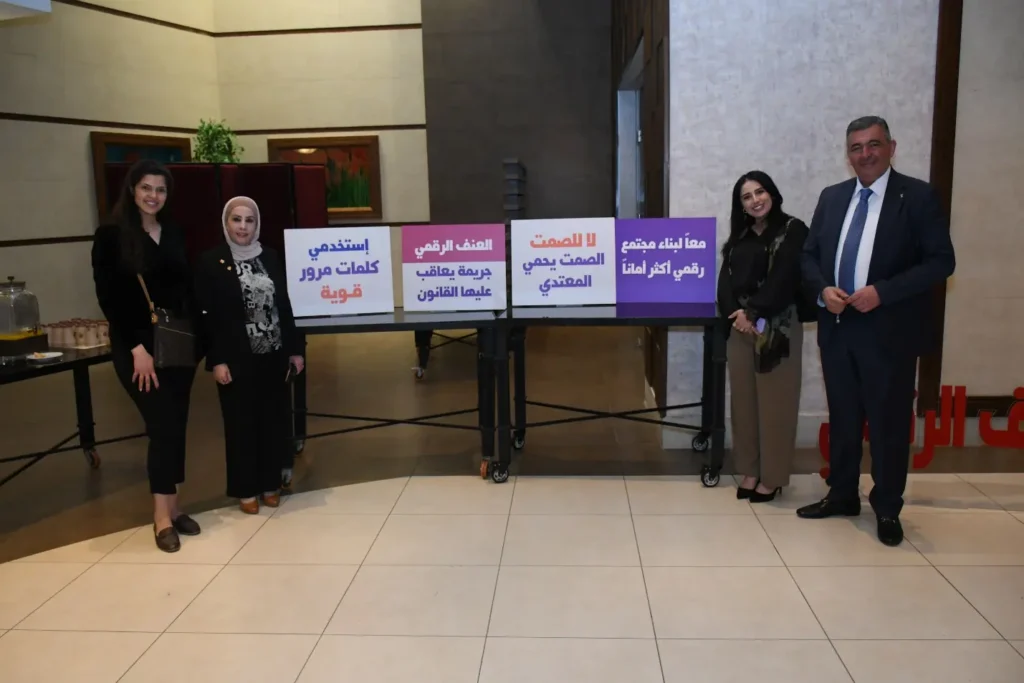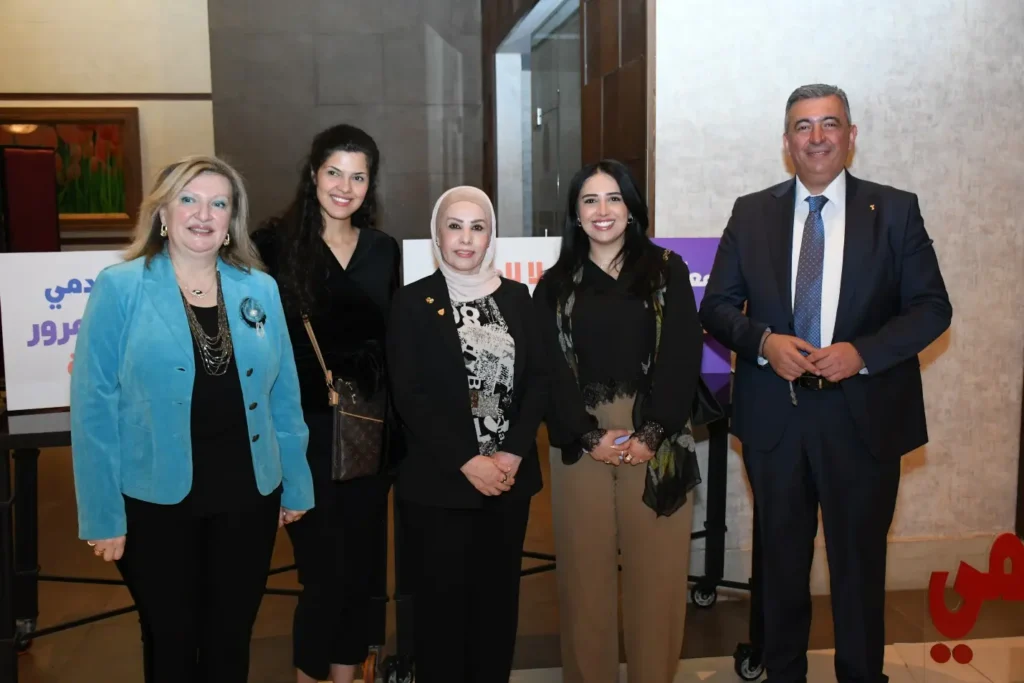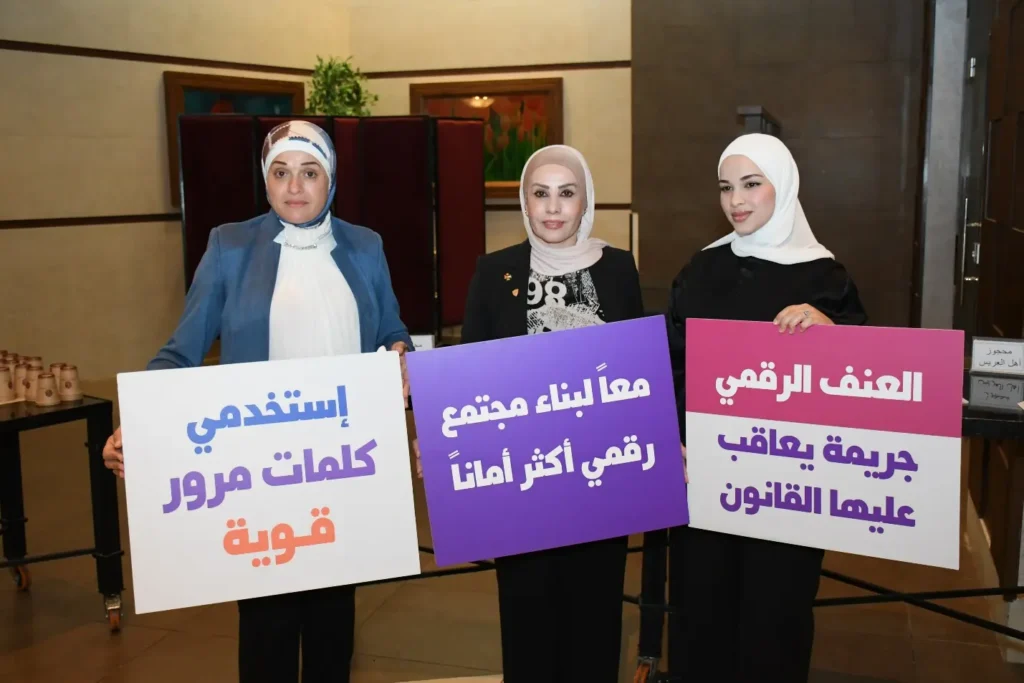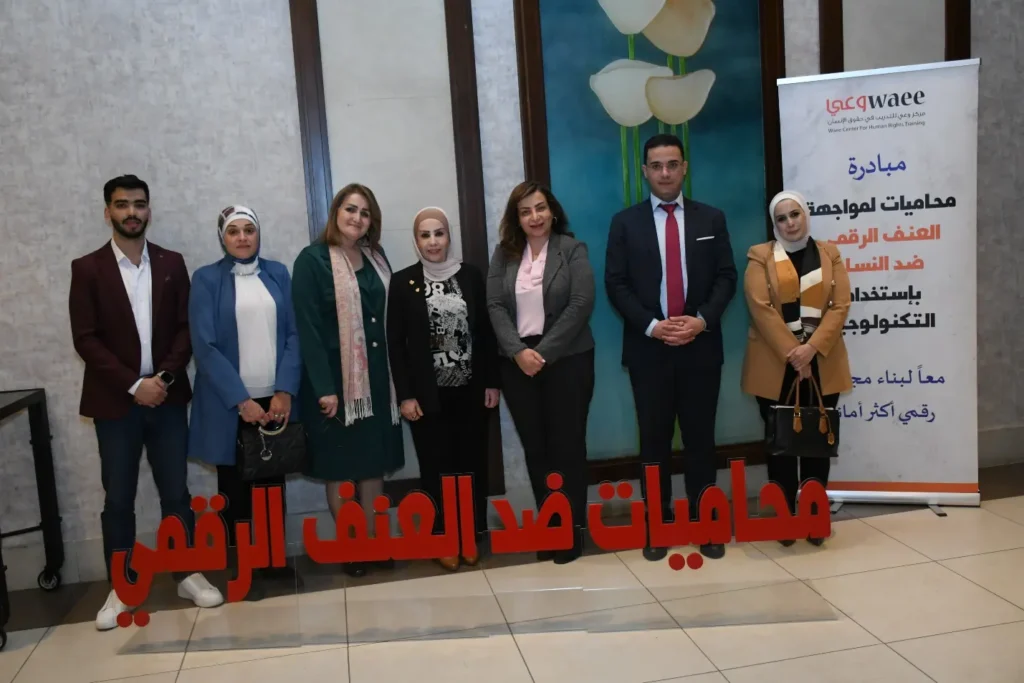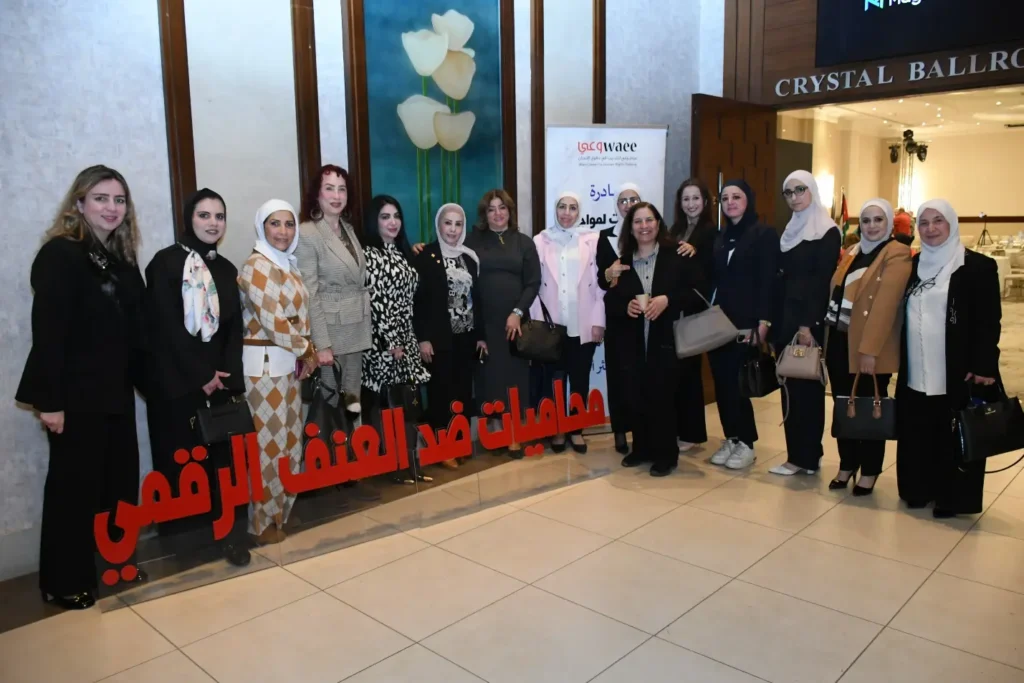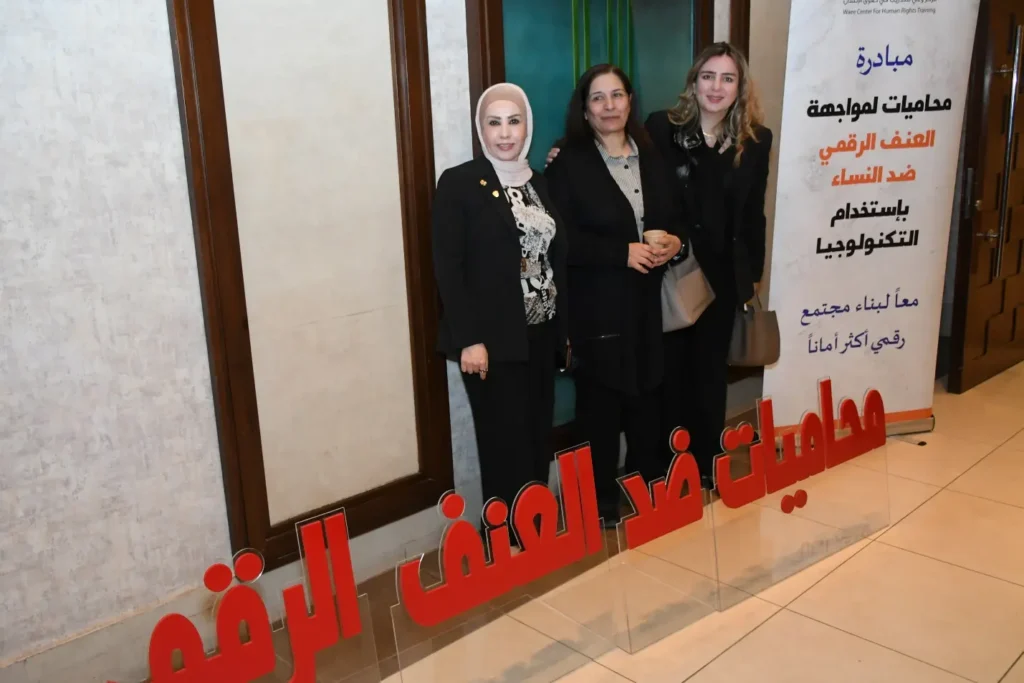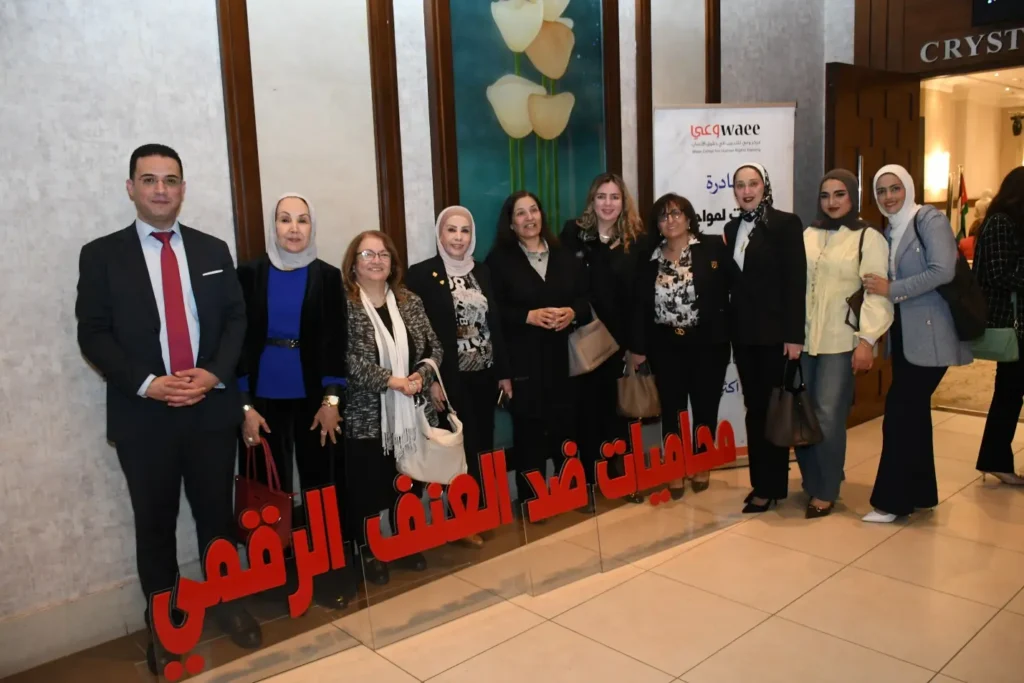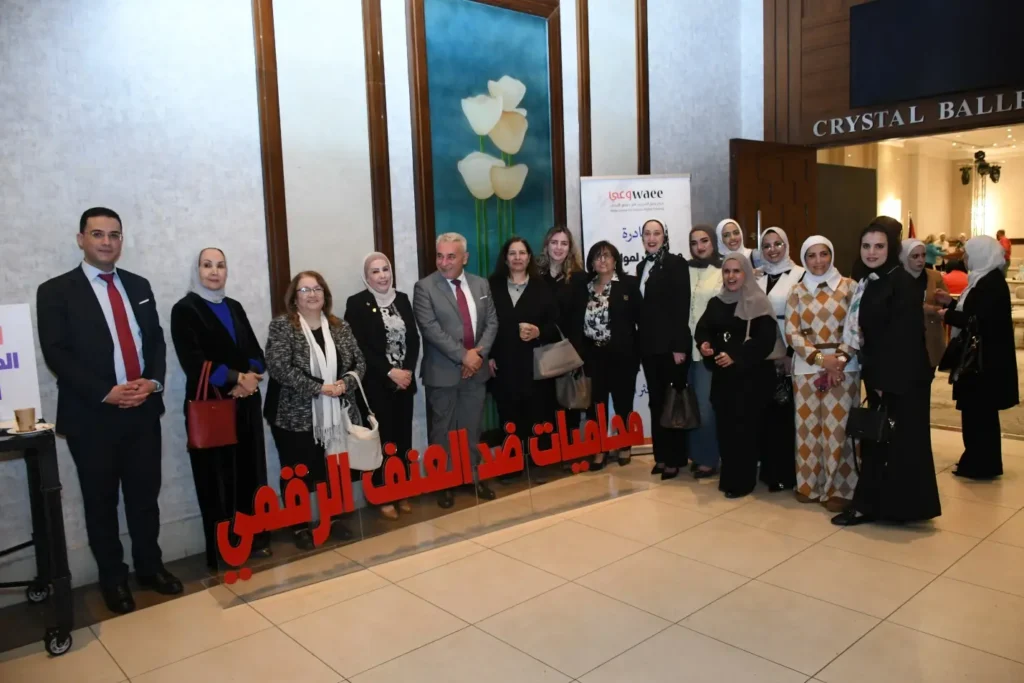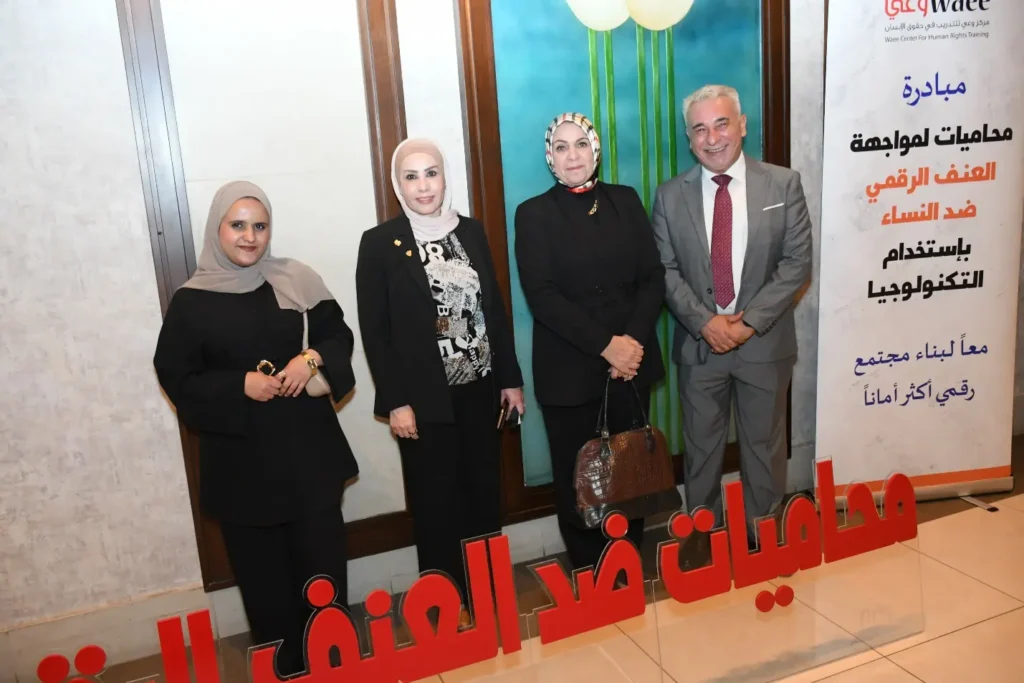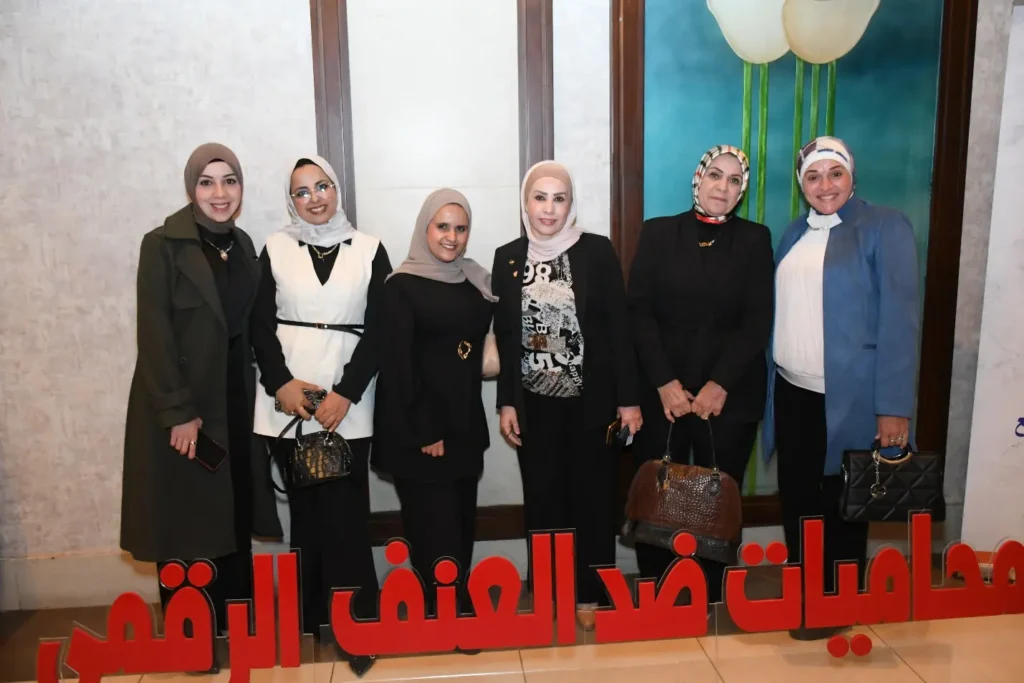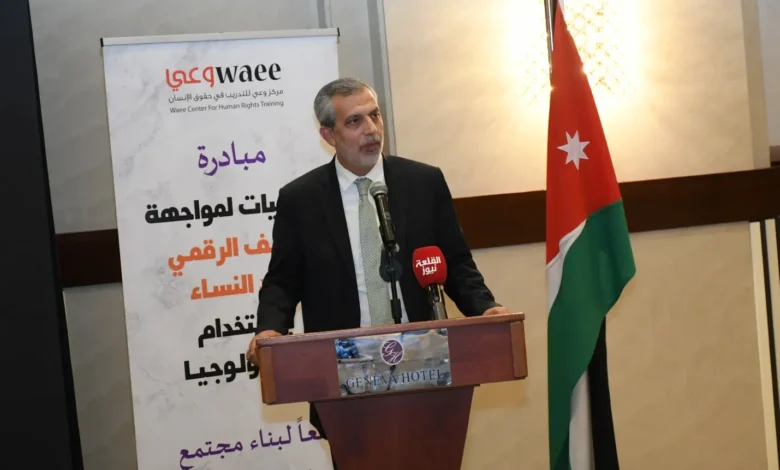
The Waie Center for Human Rights Training has launched the “Women Lawyers Against Technology-Facilitated Digital Violence Against Women” initiative, in a pioneering step aimed at strengthening the capacities of women lawyers in the fields of technology, digital safety and security, and legal frameworks related to the digital space. The initiative is implemented in cooperation with the Jordan Bar Association.
The initiative was launched under the patronage of H.E. Mr. Yahya Abu Aboud, President of the Jordan Bar Association, in recognition of the pivotal role women lawyers play in protecting individuals’ rights—particularly women—and in defending them before the law, as well as providing various forms of legal support and assistance.
The initiative also seeks to empower women lawyers in the safe use of technology and equip them with the necessary skills and tools to keep pace with rapid digital transformations, particularly in the fields of digital security and legal defense in cases related to technology-facilitated violence. This will be achieved through a series of specialized training programs conducted across all governorates of the Kingdom.

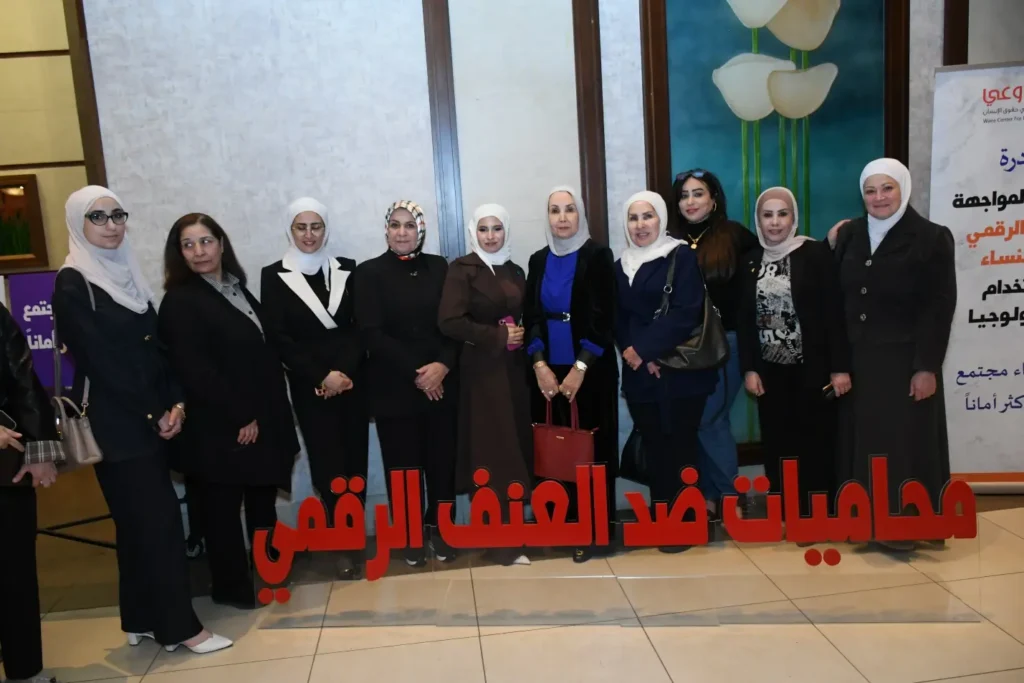
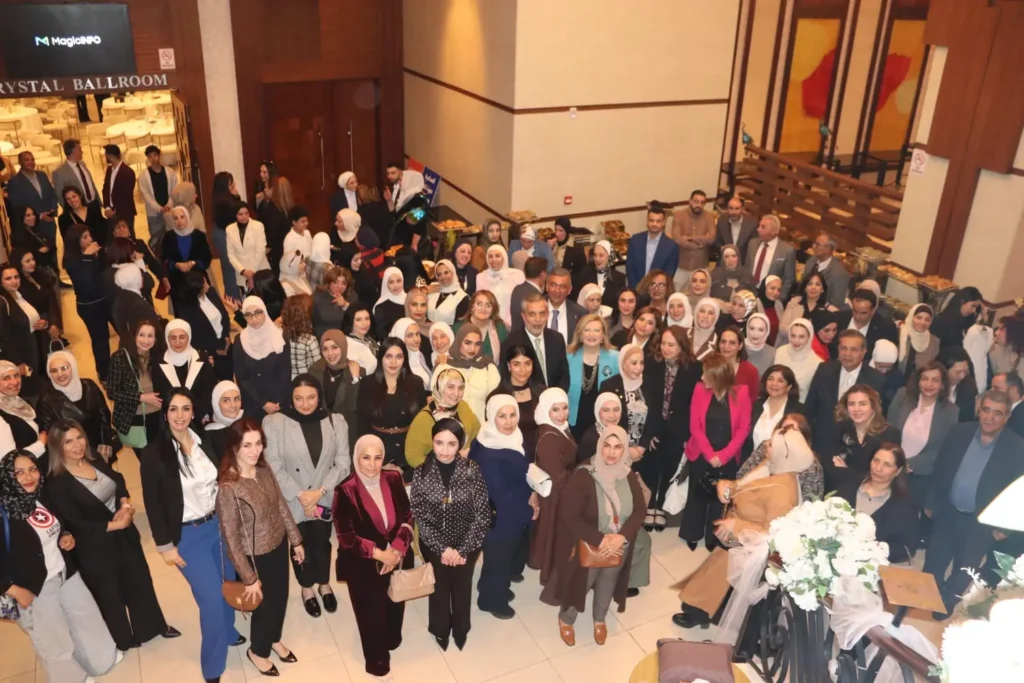
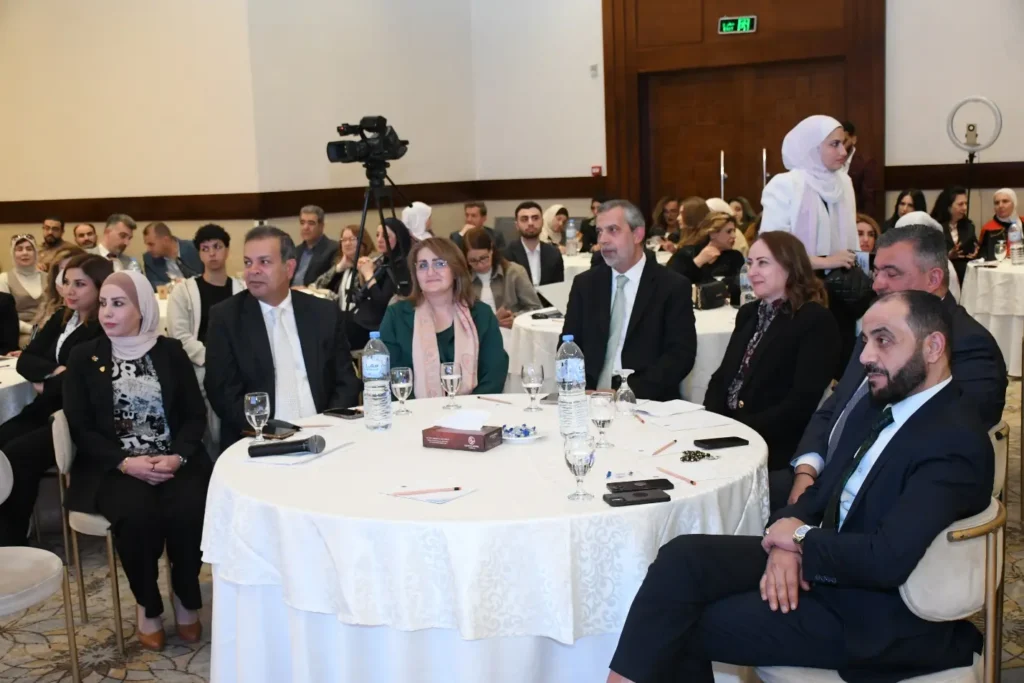


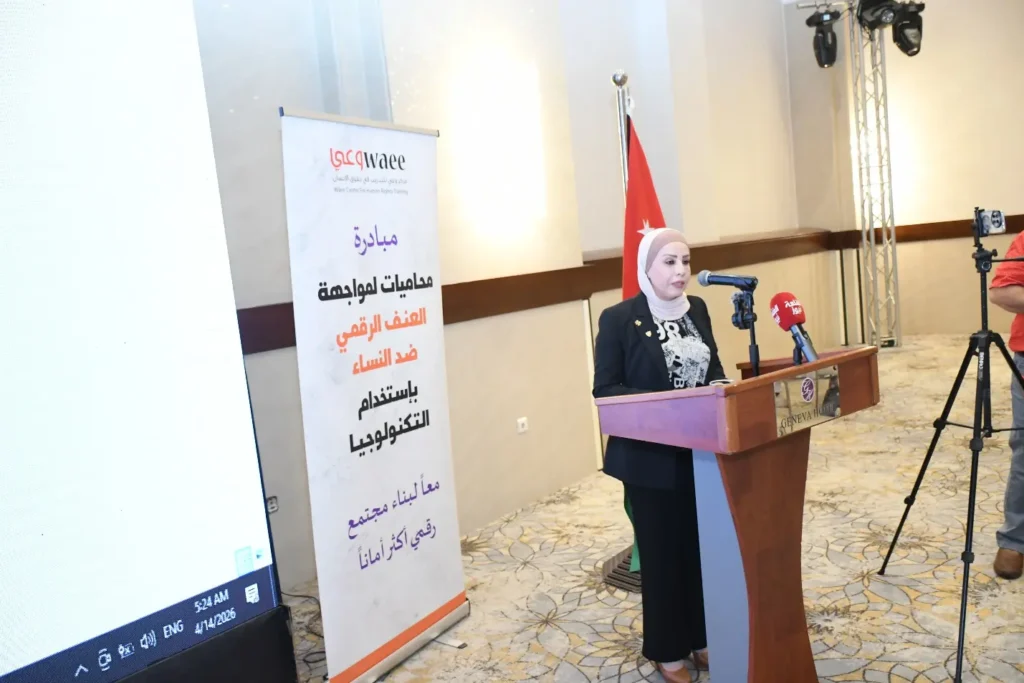
H.E. Mr. Yahya Abu Aboud, President of the Jordan Bar Association, expressed his pride and appreciation for the pioneering role played by women lawyers in advocating for justice and supporting the oppressed, affirming that they constitute a fundamental pillar in strengthening the principles of justice and the rule of law, and in upholding the sacred right of legal defense, grounded in their commitment to the presumption of innocence and the protection of individuals’ legal rights.
The President of the Jordan Bar Association also commended the “Women Lawyers Against Technology-Facilitated Digital Violence Against Women” initiative launched by the Waie Center for Human Rights Training, stressing that the launch of specialized initiatives—particularly in addressing digital violence—reflects the advancement of legal practice and its responsiveness to the rapid transformations taking place globally, especially in light of the digital revolution, the widespread use of social media platforms, and the increasing deployment of artificial intelligence technologies.
He reaffirmed the full support of the Jordan Bar Association for women lawyers in addressing various professional challenges, needs, and requirements, recognizing them as an integral and active component of the legal profession and an essential partner, without whose vital and distinguished role the profession’s mission would not be complete.
Mr. Abu Aboud, President of the Jordan Bar Association, stated that women lawyers are at the forefront of confronting the risks of technology-facilitated digital violence, whether by strengthening their own knowledge and digital skills or by defending victims of such violence and contributing to raising societal awareness of its risks and response mechanisms. He called on them to continue their excellence and leadership, noting that women lawyers have demonstrated high competence and remarkable distinction in this field, presenting an honorable model of legal practice that reflects strong character, professional commitment, and the noble principles of defending rights and freedoms.
Mr. Abu Aboud added that women lawyers have demonstrated a high level of competence in the labor market, successfully establishing their professional standing through their own efforts and in accordance with standards of quality and merit, without mediation or encroachment on the opportunities of others. This reflects the level of excellence and professionalism they have achieved.
In conclusion, he stated that technological advancement must be harnessed to serve humanity and enhance stability, rather than being exploited to violate privacy or achieve illicit gains. He emphasized the importance of the role of the Bar Association in promoting legal awareness, providing legal support and assistance to those in need, and fostering a culture of safe and responsible use of technology.
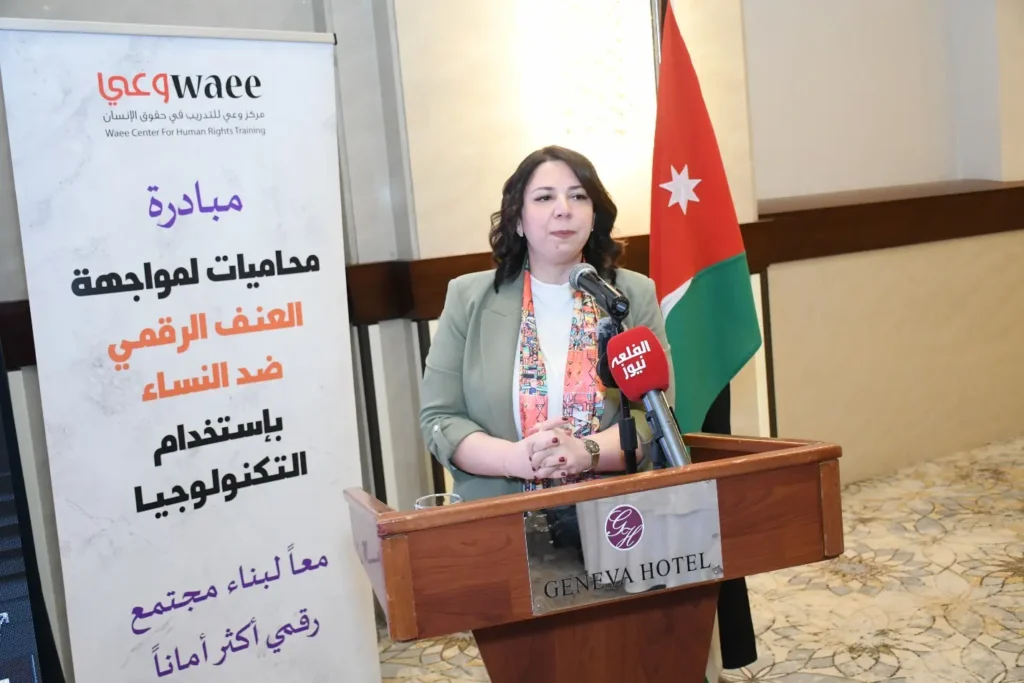
The Secretary-General of the Jordanian National Commission for Women, Eng. Maha Al-Ali, stated that the Commission seeks to enhance women’s participation in all aspects of life, empower them, and ensure their rights as guaranteed by the Constitution, while protecting them from all forms of discrimination and violence through a participatory and integrated approach with both official and civil institutions.
She explained that such initiatives contribute to supporting national efforts to combat violence against women and girls, which is one of the key pillars of the Jordanian National Strategy for Women (2020–2025). At the same time, they enhance the role of women lawyers in strengthening prevention and protection systems against various forms of violence faced by women, particularly in light of the issuance of the Legal Aid Regulation of the Jordan Bar Association, which plays an important role in improving women’s access to justice.
Al-Ali emphasized the importance of establishing legislative and institutional frameworks that keep pace with rapid technological advancement, support efforts to curb the spread of technology-facilitated violence, and develop effective response mechanisms to address it. She also highlighted the need to facilitate access to justice for women and girls survivors of digital violence, and to ensure safe reporting channels and legal assistance for them.
In parallel, it is essential to raise public awareness of the consequences of technology-facilitated violence against women and girls and its prevention mechanisms, while intensifying and integrating efforts among various stakeholders, including government institutions, civil society, and the private sector, to ensure a safe digital environment for all and to promote a culture of safe and responsible use of technology.
In this context, Attorney Taghreed Al-Daghmi, founder of the initiative, emphasized that digital violence does not discriminate among women, as women lawyers may be exposed to such violence both on the basis of gender and due to the nature of their professional role as human rights defenders. This underscores the need to strengthen women lawyers’ capacities to protect their own data as well as that of their clients, particularly in cases involving women and children.
Al-Daghmi added that the role of women lawyers is not limited to courtroom advocacy, but extends to an active societal role in promoting legal awareness and providing guidance and support to women on how to address technology-facilitated violence. She noted that women lawyers possess a unique ability to engage with women’s issues with sensitivity and empathy, placing them at the forefront of efforts to combat violence, encourage reporting, and break the silence surrounding such cases.
Accordingly, the initiative’s activities included awareness sessions delivered by women lawyers in associations and universities across various governorates of the Kingdom, in addition to the preparation of specialized analytical studies on the reality of technology-facilitated violence against women. These efforts contribute to building a safer and more just society in which rights and freedoms are protected.
During the ceremony, the Waie Center presented the results of a survey it had conducted to assess women lawyers’ training needs in both technical and legal fields, as well as their exposure to the risks of technology-facilitated violence. The survey targeted 921 women lawyers.
The findings showed that 90.88% of respondents expressed their desire to receive specialized training, while 73.62% indicated that they did not possess sufficient knowledge of digital safety and security tools.
The results further indicated that the highest level of need was in legal training on advocacy skills in cases of technology-facilitated violence, at 75.90%, followed by technical training at 73.29%, while 57.65% of respondents expressed a need for technical awareness training.
The survey results indicated that “hacking” is one of the most common forms of technology-facilitated violence experienced by women lawyers, alongside identity theft, telephone harassment, abusive messages, bullying, threats, online fraud, and blackmail.
The findings also showed that most of these incidents were isolated and non-repetitive, and that the majority of perpetrators were unknown or operating through fake accounts. This highlights the legal challenges associated with tracking offenders and holding them accountable in the open digital space.
The survey results also showed a relatively moderate impact on women lawyers’ overall participation on social media platforms, although it was not negligible, at 33.22%. Furthermore, 42.24% indicated that technology-facilitated violence affected their self-censorship in posts or interactions with others and reduced their engagement in online discussions, while 57.76% reported no impact.
In addition, 15.80% of women lawyers took the step of deleting their accounts, 15.03% changed their accounts from public to private, 10.60% reported feeling unsafe and losing trust in technology, and 5.39% strengthened their privacy settings, deleted photos, and blocked followers and contacts.
It is worth noting that technology-facilitated violence is a modern and serious form of abuse enabled by digital technologies, including the internet, social media platforms, and mobile phones. With the continued expansion of internet access, women are increasingly exposed to risks within the digital space, which in turn may limit their participation in public life, decision-making processes, and leadership roles in driving change.